Why Your Septic Tank Smells — And the Simple Habit That Stops Backups
A foul smell from a drain, a gurgle when you flush, slow-draining sinks — these are early warning signs your septic tank is heading toward an expensive backup.
The cheapest fix is usually a $300–$600 pump-out. The worst case — a failed drain field — can cost thousands. And here's what most homeowners don't realize: it often comes down to one invisible thing going wrong inside the tank.
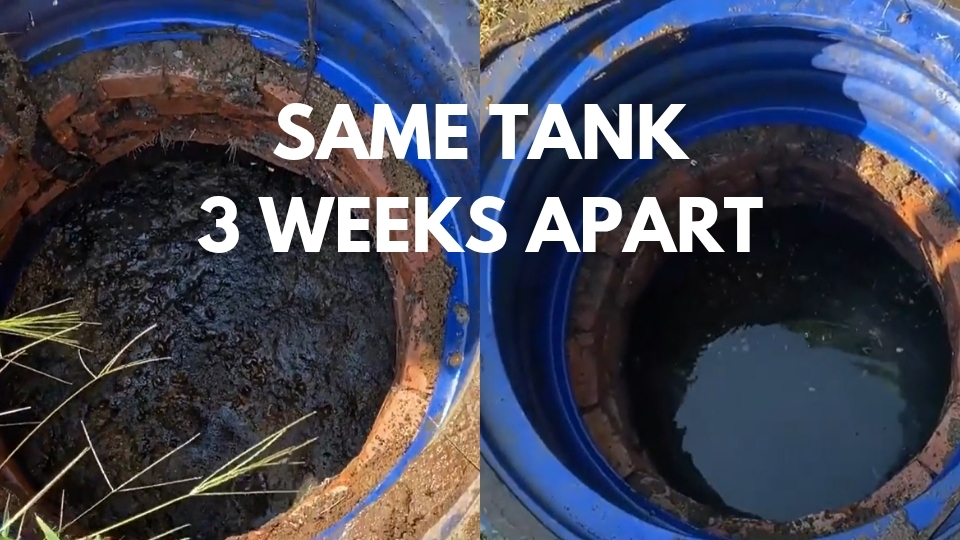
The smell is a warning light
A septic tank is a living system. It depends on billions of aerobic bacteria to break down waste and keep things flowing. But bleach, antibacterial soap, drain cleaners and detergents kill those bacteria off every day.
That's why just pumping the tank is a band-aid: it empties the tank but doesn't fix the bacterial balance, so the cycle starts again.
The shift: feed the tank instead of fighting it
More septic owners are switching to simple, regular maintenance — periodically adding live, beneficial bacteria back into the tank, the way you'd add oil to a car instead of waiting for the engine to seize.
One product built around this is getting a lot of attention: a dissolvable tablet you drop in your toilet, designed to release oxygen and seed the tank with billions of live aerobic bacteria that digest waste and neutralize odor-causing gases.
- Helps break down solid waste and sludge over time
- Targets the bacteria balance that pumping alone doesn't fix
- Made to reduce the gases behind septic odors
- A drop-in tablet — no tools, no contractor
- Costs a fraction of a single pump-out
A year of routine treatment typically costs less than one pump-out — cheap insurance against a genuinely awful problem. (If raw sewage is already backing up into the house, that's a call-a-professional situation, not a tablet one.)
See exactly how it works, what's inside, and current pricing:
Visit the Official Page » Full details, ingredients & pricing